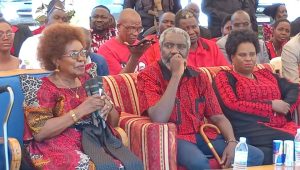
Lira City Welcomes Regional Immigration Office, Expanding Access Across Lango Sub-region
By Michael Oboke
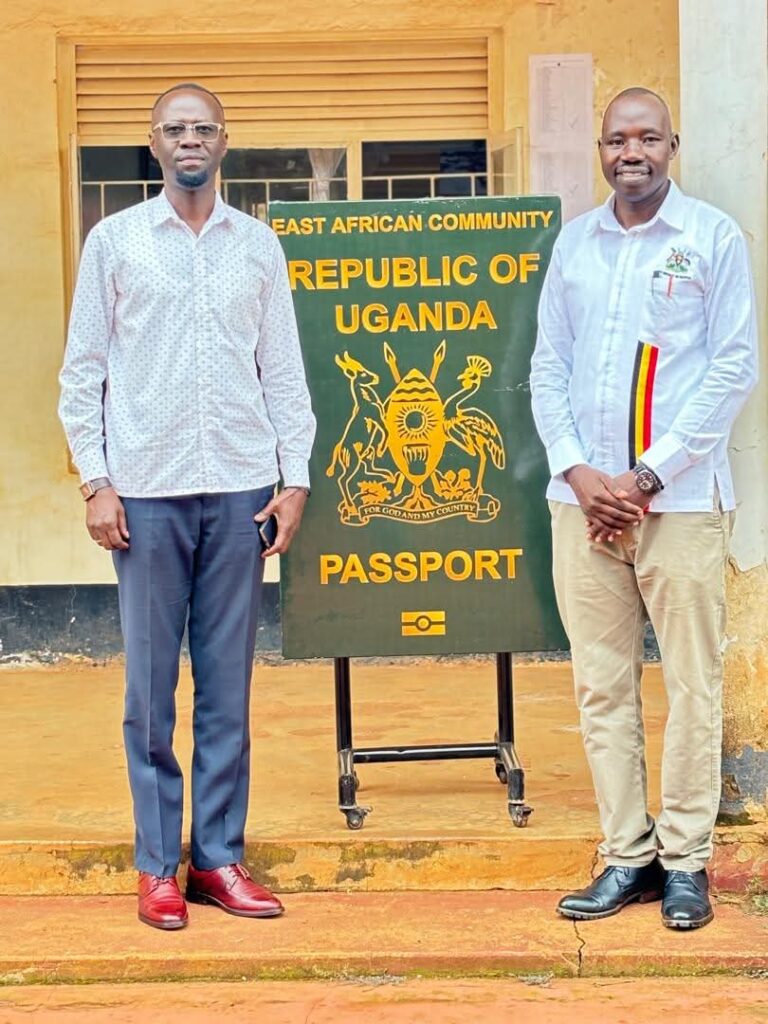
Lira City and the broader Lango Sub-region are celebrating a transformative milestone: the official opening of the National Citizenship and Immigration Control – Lira Regional Office.
This development not only brings essential government services closer to the people but also places the Lango and parts of the Teso Sub-region firmly on Uganda’s national service map.
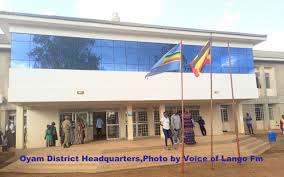
Until now, residents of Lango had to travel long distances to Kampala, Mbale, or Gulu to access immigration and citizenship services. Today, these vital services are available right in Lira City, housed in the same block as the Office of the President – Lira City, in a move that underscores the government’s recognition of Lira as a rising industrial and commercial hub.
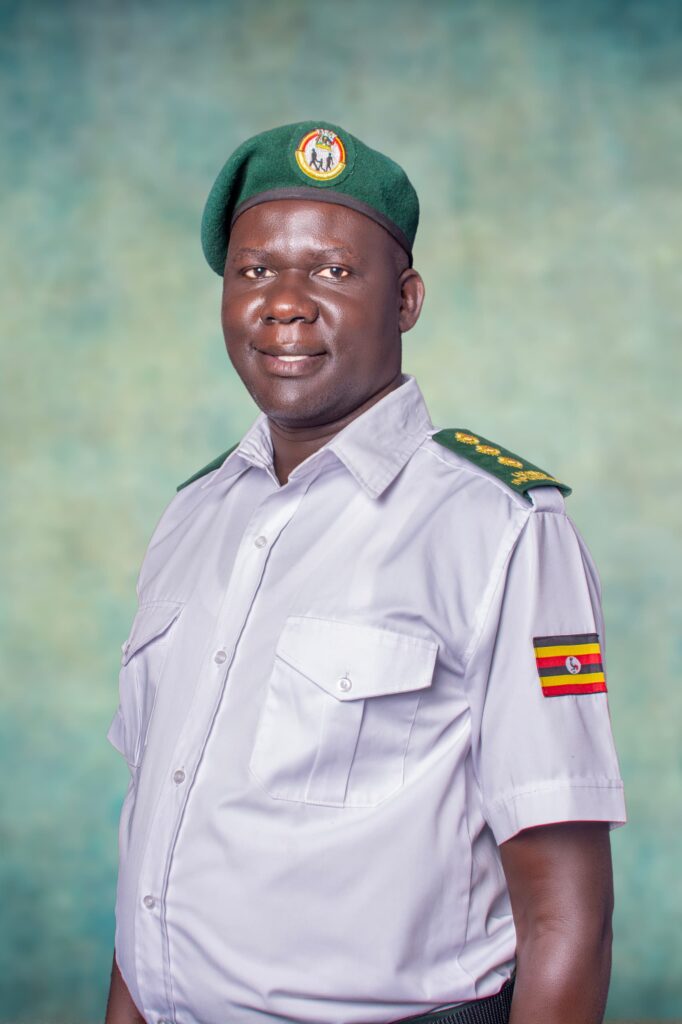
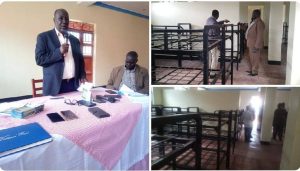
The regional office is led by Mr. John Bosco Berebera, Senior Immigration Officer and Head of the Lira Region, with support from Mr. Emmanuel Ecun, a dedicated officer known for his professionalism and customer-centered service. Together, they are steering a team committed to efficiency, courtesy, and public engagement.
The Ministry of Internal Affairs, in collaboration with the Office of the President – Lira City (led by RCC Emmy Lawrence Egole), the Mayor’s Office, and Dr. Jane Ruth Aceng Ocero, Woman Member of Parliament for Lira City, is actively working to secure land for the construction of permanent offices for the regional directorate. This long-term plan is poised to solidify Lira’s position as a gateway for trade, travel, and investment across Northern Uganda.
As a growing urban center, Lira stands to benefit significantly from having local access to immigration services. Entrepreneurs can process business-related travel documents more quickly, foreign investors can integrate more seamlessly, and citizens across the region can move more freely within and beyond Uganda’s borders.
With an increasing population of Indian, Pakistani, and Somali residents in Lira City, the need for localized immigration services has become even more pressing. The regional office, under Mr. Berebera and Mr. Ecun’s leadership, continues to carry out public sensitization campaigns to ensure residents are well-informed about the services now available to them.
For the people of Lango, this office represents more than convenience — it is a symbol of inclusion, opportunity, and progress. It reflects the central government’s ongoing commitment to decentralization and regional empowerment, ensuring that all Ugandans can fully participate in the country’s economic and social transformation.